

Choosing the right stainless steel welding rods is essential for strong, corrosion-resistant welds that stand the test of time. The wrong rod can lead to cracks, weak joints, or early corrosion. This guide provides practical insights from real-world welding projects, helping you select the most suitable rod for every application.
Whether you work on industrial piping, architectural structures, or marine fabrication, understanding the types of rods, their composition, and usage techniques ensures quality welds every time.
What Is a Stainless Steel Welding Rod?
A stainless steel welding rod is a type of filler material used to join stainless steel pieces during welding. Unlike regular steel rods, these rods are specially formulated to match or enhance the properties of the base metal, providing corrosion resistance, strength, and heat durability.
They come in different forms depending on the welding process:
- Bare filler rods for TIG welding, giving precise and clean welds.
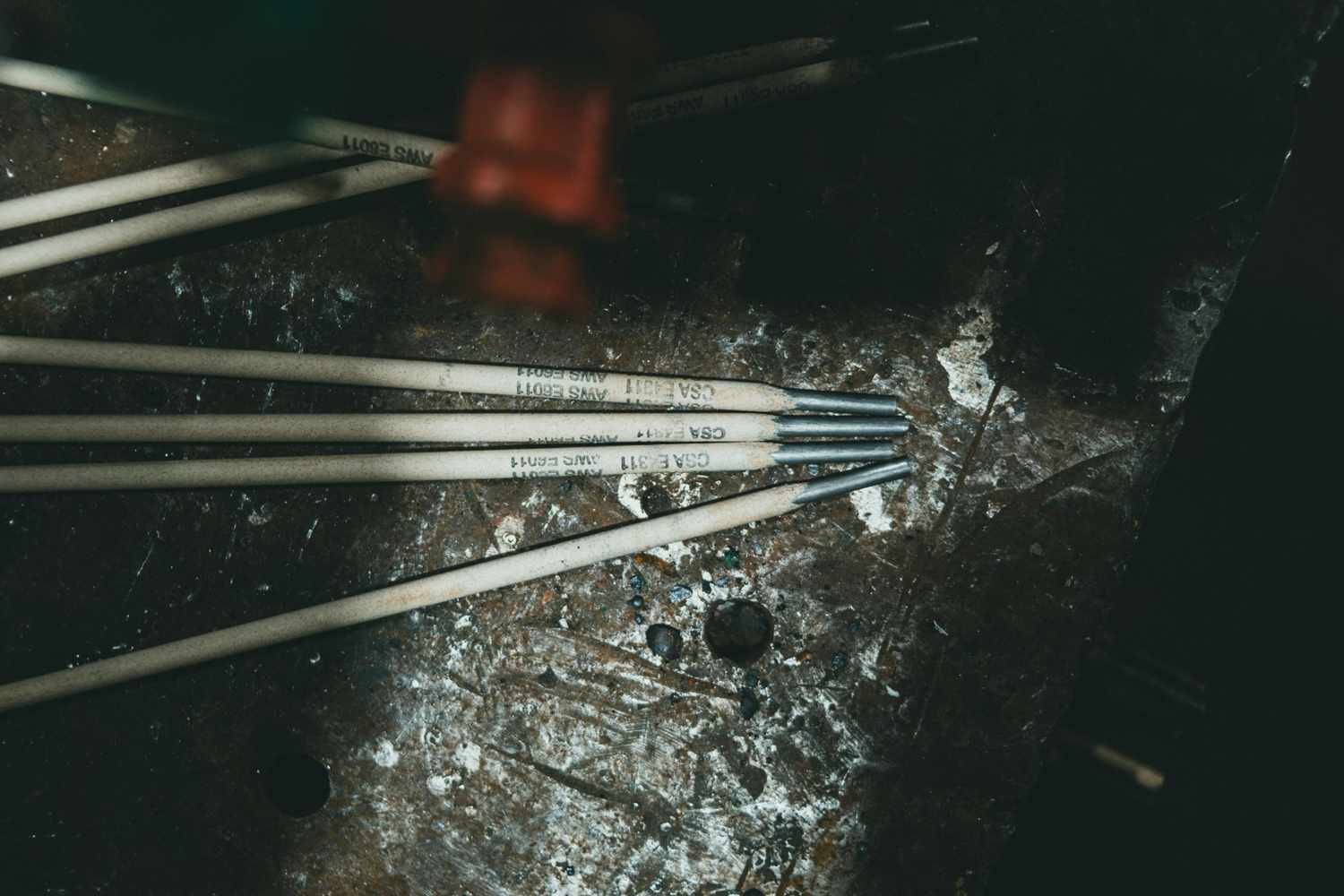
- Coated electrodes for stick welding, offering stability and protection in outdoor or structural jobs.
- Wire feed rods for MIG welding, ideal for fast, consistent deposits in production environments.
Using the right rod ensures the weld is mechanically strong, chemically compatible, and resistant to environmental stresses. Not all welding rods are created equal, and poor-quality consumables often lead to porosity, unstable arcs, and premature joint failure.
To avoid costly rework, source certified products from the best welding accessories suppliers in UAE offering industrial-grade solutions.
Common Types of Stainless Steel Welding Rods
ER308L Rods
Perfect for 304 stainless steel, commonly used in kitchen equipment and food processing plants. Low carbon content prevents carbide precipitation and maintains corrosion resistance.
ER316L Rods
Used for marine, chemical, or high-moisture environments. Molybdenum-enriched composition offers superior protection against pitting and crevice corrosion.
ER309L Rods
Designed for dissimilar metal welding, such as joining stainless steel to carbon steel. This rod balances alloy differences while providing robust mechanical strength.
Duplex and Super Duplex Rods
Rods like ER2209 are ideal for chemical, oil, and gas applications. They offer high strength and resistance to stress corrosion cracking, making them perfect for demanding industrial projects.
Why the Right Stainless Steel Welding Rod Matters
Selecting the correct rod isn’t just a technical detail, it’s critical for project safety and durability. A properly chosen rod:
- Maintains mechanical strength and structural integrity.
- Preserves corrosion resistance, especially in harsh environments.
- Ensures consistent weld quality, reducing rework.
- Supports specific operating conditions, such as high heat or chemical exposure.
In practice, choosing the wrong rod can result in weld failures that are costly and dangerous. Skilled welders always evaluate the base metal, welding process, and service conditions before selecting a rod.
Key Factors to Consider When Choosing Welding Rods
Selecting the correct rod isn’t just a technical detail, it’s critical for project safety and durability. A properly chosen rod maintains mechanical strength and structural integrity, preserves corrosion resistance, especially in harsh environments and ensures consistent weld quality, reducing rework.
In practice, choosing the wrong rod can result in weld failures that are costly and dangerous. Skilled welders always evaluate the base metal, welding process, and service conditions before selecting a rod.
1- Base Metal Compatibility
Matching the rod to the base metal is the first step. For example:
- 304 stainless steel: Use ER308L rods for optimal corrosion resistance.
- 316 stainless steel: ER316L rods provide extra protection against chlorides and harsh chemicals.
Ensuring chemical compatibility prevents sensitization and maintains the durability of your weld.
2- Welding Process
Different welding methods require specific rods:
TIG welding (GTAW):
TIG welding demands stable electrodes and clean shielding gas to avoid contamination and weld defects. Using premium TIG consumables improves arc control and produces cleaner, stronger stainless steel welds.
Stick welding (SMAW):
Coated electrodes like E308L-16 provide stability in outdoor and structural work.
MIG welding (GMAW):
Continuous wire feed rods ensure fast, consistent deposition for production work. In high-volume fabrication, wire consistency and smooth feeding directly affect productivity and weld appearance.
Selecting a rod that aligns with your process improves efficiency and reduces defects. Upgrade performance by using professional MIG consumables designed for stable arc and reduced spatter.
3- Operating Environment
Consider the environment where the welded structure will function:
- High-temperature conditions: Choose rods with stabilizers like titanium to prevent cracking.
- Corrosive settings: Rods with molybdenum or nickel additions increase resistance to pitting and stress corrosion.
For example, marine projects often require ER316L rods to prevent rust in saltwater conditions.
For heavy fabrication where cutting is required before welding, consistent cut quality is essential for proper joint preparation. Using long-lasting plasma consumables helps maintain smooth edges and reduces downtime in industrial workshops.
4- Material Thickness and Welding Position
- Thin materials: Use smaller diameter rods for better heat control.
- Thick materials: Larger rods ensure deep penetration and structural strength.
- Welding position: Some rods perform better in overhead or vertical positions. Real-world experience shows that selecting the correct rod diameter improves bead consistency.
6- Assess the Manufacturer’s Quality Standards
Not all welding rods perform the same, so choosing a reliable manufacturer really matters. Brands that follow recognized industry standards, such as D&H Sécheron, offer better consistency and dependable quality.
Although premium rods may cost more at first, they help save money over time by reducing defects, avoiding rework, and producing welds that hold up in tough conditions. These high-quality rods are made with certified filler materials, which provide stable arcs and proper fusion during welding.
This makes them a better choice for both fabrication and repair work where performance and safety cannot be compromised. For reliable performance across fabrication and repair jobs, choose high-quality welding consumables tested for industrial use.
7- Budget and Cost-Effectiveness
Budget is always a factor, but never compromise quality for lower prices. Investing in premium stainless steel welding rods reduces downtime, prevents weak joints, and saves on rework costs.
A cost-effective approach is to balance affordability with quality. For instance, purchasing a trusted ER316L rod might have a higher upfront cost but ensures structural safety, corrosion resistance, and longer service life, making it a smart long-term investment.
Practical Tips for Selecting and Using Rods
- Clean the Base Metal: Remove rust, oil, or dirt. Contaminated surfaces reduce weld quality.
- Match Rod Size to Material Thickness: Small rods for thin sheets, larger rods for structural sections.
- Test Before Production: Conduct a trial weld on scrap material to adjust technique and confirm rod suitability.
- Store Rods Properly: Keep rods dry and labeled to prevent moisture-related defects.
These steps reflect real-world best practices used by experienced welders in industrial and fabrication settings.
AI Overview
Discover the ultimate guide to selecting the right stainless steel welding rods, covering rod types, base metal compatibility, welding processes, and expert tips for strong, corrosion-resistant welds.
FAQs
Which welding rod is best for stainless steel?
ER308L rods are best for most stainless steels like 304, offering strong, corrosion-resistant welds. For 316 stainless steel, ER316L rods provide extra protection in harsh and chloride-rich environments.
Is 308 or 309 better for stainless steel?
ER308L is ideal for welding 304 stainless and similar alloys with reliable corrosion resistance. ER309L is better for joining stainless steel to carbon steel or other dissimilar metals.
What is 1G, 2G, 3G, 4G, 5G, 6G in welding?
These codes represent welding positions, such as flat, horizontal, vertical, and overhead. 5G and 6G describe pipe welding positions, with 6G being the most difficult angled pipe weld.
How to tell if stainless steel is 304 or 316?
304 stainless has less molybdenum and is suitable for general corrosion-resistant applications. 316 stainless contains added molybdenum for superior resistance to saltwater and chemical environments.
Conclusion
Selecting the right stainless steel welding rod is essential for achieving durable, corrosion-resistant, and high-quality welds. By considering factors like base metal compatibility, welding process, operating environment, material thickness, manufacturer quality standards, and budget, you can ensure every weld performs reliably.
Investing in premium rods and following best practices reduces defects, minimizes rework, and maximizes the longevity of your projects. Looking for the right stainless steel welding rods and expert guidance for your welding projects?
NGEN Global delivers premium welding consumables, technical support, and precision-driven solutions across UAE, Saudi Arabia, Oman, and Kenya. Contact our technical experts today for expert advice and fast, reliable quotations.
