

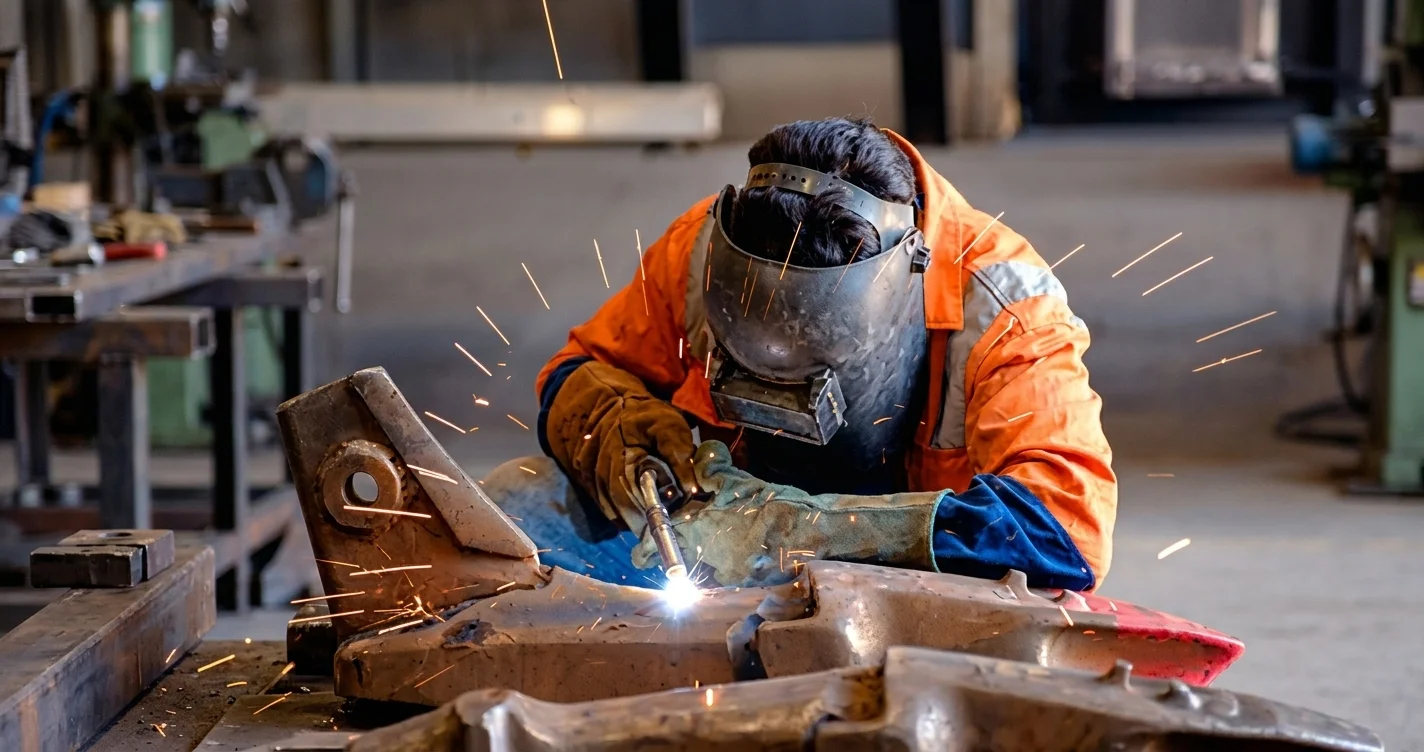
Welding consumables affect arc stability, weld strength, deposition and overall weld quality. This guide explains the main types of welding consumables used in Dubai, how to choose them for different welding processes, and what to check for quality, storage and equipment compatibility.
Welding quality does not depend on the machine alone. The electrode, wire, filler rod, contact tip, nozzle and other consumable components all have a role in how consistently a welding process performs.
For fabrication workshops, construction companies, maintenance teams and industrial manufacturers, choosing the right welding consumables in Dubai means looking beyond the purchase price. The base metal, welding process, consumable classification, operating conditions and storage environment all need to be considered before placing an order.
What Are Welding Consumables?
Welding consumables are materials or replaceable components used during welding to create, support or maintain the weld. Common examples include arc welding electrodes, MIG wires, TIG filler rods, flux-cored wires, contact tips, gas nozzles, ceramic cups and other torch components.
The exact consumable depends on the welding process and application. A consumable suitable for MIG welding mild steel, for example, cannot simply be substituted for a TIG filler rod or an electrode designed for stainless steel.
NGEN Global provides welding consumables, electrodes and accessories for several welding processes, including ARC/MMA, MIG, TIG, laser, plasma and SAW/gouging. Its product range includes components such as contact tips, collets, gas nozzles, ceramic cups and other welding accessories.
Why Does Consumable Quality Matter in Welding?
Quality consumables help maintain stable arc performance, consistent deposition and predictable weld results. Poor-quality, damaged or incorrectly selected consumables can contribute to spatter, porosity, poor penetration, inconsistent bead appearance and unnecessary rework.
For a busy fabrication workshop, these problems can quickly become production issues. A worn contact tip can affect wire feeding and electrical contact, while moisture-affected electrodes can create problems that may not be obvious until the finished weld is inspected.
Quality should therefore be assessed through more than brand or price. Classification, material compatibility, dimensions, manufacturer specifications, storage condition and equipment compatibility should all be checked before use.
What Types of Welding Consumables Are Used in Dubai?
The main types include ARC/MMA electrodes, MIG/MAG wires, TIG filler rods, flux-cored wires and process-specific torch components. Each type has a particular role and must be matched with the welding process and base material.
ARC/MMA Welding Electrodes
ARC or MMA welding uses a coated consumable electrode to create the arc and deposit filler metal into the joint. It is widely used for construction, repair, maintenance and outdoor welding where portability is important.
Different electrode classifications are designed for different applications. E6013 and E7018, for example, have different characteristics and should not be treated as interchangeable products simply because both are used for steel welding.
Low-hydrogen electrodes also require controlled handling and storage. Exposure to moisture can affect their performance, making proper storage and manufacturer instructions particularly important for critical welding work.
MIG and MAG Welding Wires
MIG and MAG welding use a continuously fed wire electrode, making the process suitable for fabrication where productivity and consistent wire feeding are important.
Wire diameter, material grade, shielding gas and machine settings need to work together. Selecting the right wire but using an unsuitable contact tip or incorrect feed setup can still result in unstable welding.
NGEN Global’s MIG range includes contact tips and related torch components designed for specific wire and torch configurations. Checking the correct thread size and wire diameter before purchasing replacement components can help avoid feeding and contact problems.
TIG Filler Rods
TIG welding is often selected where precise heat control, clean welds and good appearance are important. The filler rod is selected according to the base metal and required weld properties.
Stainless steel, aluminium and carbon steel applications can require different filler materials. The rod diameter also needs to suit the joint and welding conditions.
TIG torch consumables should not be overlooked. Components such as ceramic cups, collets and gas nozzles influence shielding and torch performance and need to match the equipment being used.
Flux-Cored Welding Wires
Flux-cored wires contain flux inside a tubular wire and are used in compatible wire-feed welding processes. Depending on the wire classification, the process may use external shielding gas or be designed for self-shielded welding.
They are commonly considered for fabrication, construction, repair and applications where productivity is important. The correct wire should always be selected according to the manufacturer’s specifications and the welding procedure.
SAW and Gouging Consumables
Submerged Arc Welding is designed for high-productivity welding and is commonly associated with heavy fabrication, structural steel and large welded assemblies. It uses welding wire and flux to protect the weld area during the process.
Arc gouging uses a different consumable arrangement to remove metal and prepare or repair weld joints. The consumable must be compatible with the equipment, current level and application.
NGEN Global’s welding range includes SAW and gouging equipment and components for heavy industrial applications.
How Do You Choose Welding Consumables for a Project?
The correct consumable should be selected from the complete welding requirement rather than from the product name alone. Start with the base metal and welding process, then consider the joint design, material thickness, welding position and required weld properties.
Before ordering welding consumables in Dubai, check these factors:
- Base metal and material grade
- Welding process
- Consumable classification
- Electrode, wire or filler diameter
- Material thickness
- Welding position
- Shielding gas requirements
- Joint preparation
- Required weld strength
- Applicable welding procedure or project specification
For critical fabrication, the consumable should match the approved welding procedure and project requirements. This is particularly important when inspection, testing, traceability or certification is required.
What Should You Check Before Buying Welding Consumables in Dubai?
Before buying, verify the consumable classification, dimensions, manufacturer information and packaging condition. If the project has specific certification or documentation requirements, confirm those details before the order is placed.
A low purchase price does not necessarily mean a lower total cost. Consumables that produce excessive spatter, poor deposition or frequent component replacement can increase labour time and rework.
A practical purchasing check should include:
- Confirm the base metal and welding process.
- Verify the required consumable classification.
- Check the correct size and dimensions.
- Confirm manufacturer recommendations.
- Inspect packaging for damage or moisture exposure.
- Check compatibility with the welding torch or machine.
- Confirm storage and handling requirements.
- Verify certificates or batch documentation where required.
This approach is especially useful when purchasing several consumable types for the same workshop because it reduces the chance of ordering components that are technically similar but not actually compatible.
How Should Welding Consumables Be Stored in Dubai?
Welding consumables should be stored in clean, dry conditions according to the manufacturer’s instructions. Heat, humidity, contamination and damaged packaging can affect consumable performance before the material is used.
This deserves particular attention in the UAE because storage areas can be exposed to high temperatures and humidity. Low-hydrogen electrodes require especially careful moisture control because their performance can be affected by improper storage.
Keep consumables in their original packaging until they are needed. Once opened, follow the manufacturer’s requirements for holding, drying, baking or reconditioning where applicable.
For industrial projects, storage should also be controlled through a simple stock-management system. Older consumables should be identified and used according to the manufacturer’s recommended storage period and handling procedure rather than being mixed randomly with newly received stock.
How Do Consumables Affect Welding Performance?
Consumables affect arc stability, deposition, penetration, weld appearance and the amount of spatter produced during welding. A mismatch between the consumable and application can make it difficult to achieve consistent results even when the welding machine is working correctly.
Common warning signs include:
- Excessive spatter
- Unstable arc
- Poor wire feeding
- Irregular weld bead
- Porosity
- Inconsistent penetration
- Frequent contact-tip replacement
- Excessive nozzle contamination
- Increased weld repairs
When these problems occur, operators often adjust machine settings first. A better approach is to inspect the consumable, wire path, torch components, shielding arrangement and material condition before making major parameter changes.
This helps identify whether the problem comes from the welding procedure or from a worn, contaminated or incorrectly selected component.
Where Are Welding Consumables Used in Dubai?
Welding consumables are used across construction, infrastructure, oil and gas, energy, marine, automotive, transportation, maintenance and general metal fabrication.
The required product changes according to the application. Structural fabrication may rely heavily on ARC/MMA electrodes and MIG wires, while precision fabrication may require TIG filler materials and suitable torch components.
Heavy industrial operations can also require SAW and gouging consumables, while specialised manufacturing may use laser or plasma welding components.
NGEN Global serves sectors including construction and infrastructure, shipbuilding and marine, oil, gas and energy, and automotive and transportation with welding products and accessories.
How Can You Evaluate a Welding Consumables Supplier in UAE?
A reliable supplier should provide more than a product catalogue. Buyers should look for clear specifications, suitable classifications, consistent product availability and technical information that helps them select the correct consumable.
When comparing a welding consumables supplier in UAE, consider:
Product range: Does the supplier cover the welding processes used by your workshop?
Compatibility: Can the supplier help confirm the correct size, classification and equipment compatibility?
Documentation: Are technical specifications and certificates available when required?
Availability: Can commonly used consumables be supplied consistently?
Technical support: Can the supplier help when a consumable is producing unexpected welding problems?
For buyers looking for a broader welding consumables supplier in UAE, you can review available welding consumables and related products based on your application and welding process.
What Makes Welding Consumables Suitable for Industrial Use?
Industrial suitability depends on more than whether a consumable can produce a weld. The product needs to match the welding process, base material, equipment and required performance, while storage and handling must also be controlled.
For example, a contact tip needs to match the torch and wire configuration. A TIG ceramic cup needs to be compatible with the torch and provide suitable shielding coverage. An electrode needs to match the base material and welding procedure.
NGEN Global’s product range reflects this process-specific approach, with separate consumables and accessories for MIG, TIG, ARC/MMA, laser, plasma and SAW/gouging applications.
This is why industrial buyers should avoid treating welding consumables as generic products. The correct component is the one that fits the welding process, equipment and application requirements.
Conclusion
Selecting welding consumables in Dubai requires more than comparing prices between suppliers. The welding process, base material, consumable classification, dimensions, equipment compatibility, storage conditions and required weld performance all need to be considered together.
For fabrication workshops and industrial buyers, the right consumables can help reduce avoidable defects, equipment downtime and rework. NGEN Global provides welding consumables, electrodes and accessories for ARC/MMA, MIG, TIG, laser, plasma and SAW/gouging applications, giving welding professionals access to products designed for different industrial requirements.
Need the Right Welding Consumables for Your Application?
Whether you are sourcing consumables for a fabrication workshop, industrial project or ongoing production, NGEN Global can help you identify suitable welding products based on your welding process, material and equipment. Contact our team to discuss your requirement.
FAQs About Welding Consumables in Dubai
How should welding electrodes be stored?
Welding electrodes should be stored according to the manufacturer’s recommended conditions and protected from moisture and contamination. Low-hydrogen electrodes require particular care because moisture exposure can affect their welding performance.
What causes welding consumables to wear quickly?
Incorrect consumable selection, excessive current, poor wire feeding, contamination, incorrect contact-tip size and unsuitable operating conditions can shorten consumable life. Regular inspection of the torch and consumable can help identify the cause.
Why is consumable quality important for industrial welding?
Consumable quality affects arc stability, deposition, weld appearance and defect rates. Consistent consumables can reduce avoidable rework and downtime, particularly where welding quality and repeatability are important.
Read More Welding Machine Blogs
- What Is ARC/MMA Welding? Process, Uses & Advantages: Learn the basics of the process you might pair with TIG on thicker or outdoor jobs.
- I Tried ARC/MMA Welding for Heavy Steel: Real test results from heavy steel, the kind of work where TIG slows down.
- Best Welding Equipment Suppliers Across the UAE: A roundup to help you source TIG and other welding equipment.
- What Is a Spot Welder? Process & Complete Guide: See how spot welding joins sheet metal and when it is a better fit than TIG.
- TIG Welding Applications: Advantages and Disadvantages: Weigh where TIG gives the cleanest results and where other processes work better.
